
Contents
Overview
Energy healing encompasses a diverse array of practices centered on the belief that subtle energies can be manipulated to promote physical, emotional, and spiritual well-being. These modalities, often referred to interchangeably with terms like vibrational medicine or biofield therapy, operate on the principle that imbalances in the body's energetic field, or 'vibe,' can lead to illness, and that restoring harmony can facilitate healing. Practices range from hands-on techniques like Reiki and Therapeutic Touch to distant healing and Qigong, each aiming to influence the recipient's energetic state. While scientific consensus on the existence and mechanism of these energies remains elusive, millions worldwide engage with these practices, seeking relief from chronic conditions, stress reduction, and enhanced vitality. The field bridges ancient wisdom traditions with modern explorations into consciousness and quantum physics, sparking ongoing debate about its efficacy and place within healthcare.
🎵 Origins & History
The roots of energy healing stretch back millennia, woven into the fabric of ancient cultures across the globe. Traditional Chinese Medicine's concept of qi (vital life force) and India's Ayurvedic understanding of prana laid foundational principles for manipulating vital energies. The formalization of practices like Reiki, developed by Mikao Usui in Japan around 1922, and Therapeutic Touch, developed by Dolores Krieger and Doris Krieger in the 1970s, brought these concepts into more structured, albeit still alternative, therapeutic frameworks. These developments marked a shift towards codifying energetic practices for broader application.
⚙️ How It Works
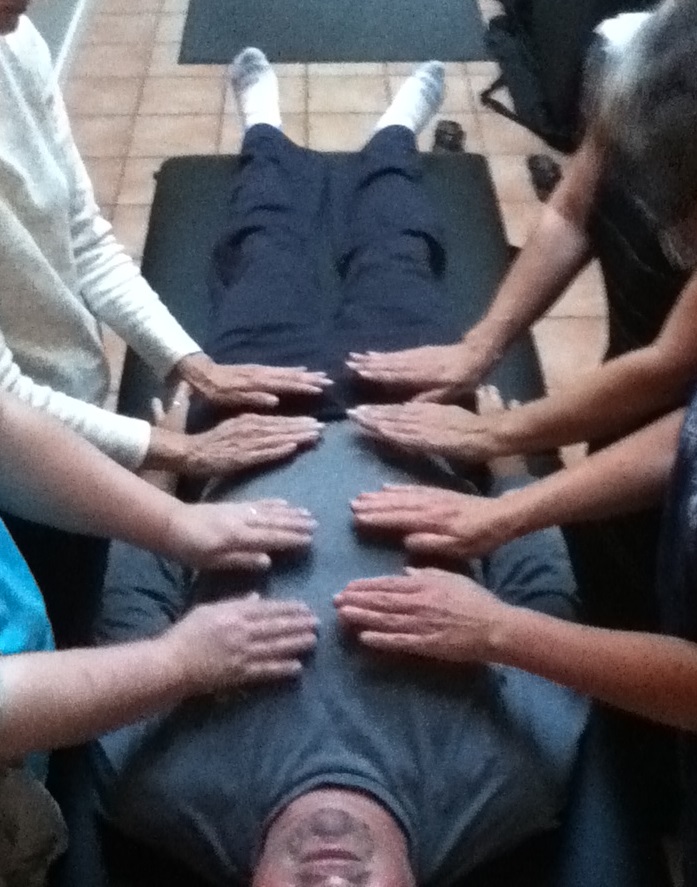
At its core, energy healing posits that the human body possesses a subtle energetic field, often termed the 'biofield' or 'aura,' which is intrinsically linked to physical and emotional health. Practitioners believe that blockages, imbalances, or deficiencies within this field can manifest as illness, while a harmonious flow of energy promotes vitality and recovery. Techniques vary widely: some involve direct physical contact, like Reiki practitioners placing hands on or near the body to channel universal life force energy. Others, such as Pranic Healing or Distant Healing, are performed without physical touch, relying on the practitioner's intention and the recipient's energetic receptivity. The underlying mechanism is often described in terms of vibrational frequencies, suggesting that specific energetic patterns can counteract disharmonious ones, thereby facilitating the body's innate healing capabilities. This perspective aligns with concepts explored in quantum physics, albeit controversially, regarding interconnectedness and the influence of consciousness.
📊 Key Facts & Numbers
Reiki is one of the most widely recognized modalities. Research into the efficacy of energy healing has produced over 100 peer-reviewed studies, with varying results, often highlighting methodological challenges in isolating energetic effects from psychological ones.
👥 Key People & Organizations
Pioneers like Mikao Usui, the founder of Reiki, and Dolores Krieger, a key figure in developing Therapeutic Touch, are central to the modern understanding of energy healing. Barbara Brennan, a former NASA scientist, authored influential books like "Hands of Light," detailing her biofield healing techniques and establishing the Barbara Brennan School of Healing. Organizations such as the National Center for Complementary and Integrative Health (NCCIH) in the U.S. fund research into these modalities, while professional bodies like the American Holistic Nurses Association (AHNA) advocate for their integration into conventional care. Dr. Andrew Weil, a proponent of integrative medicine, has also discussed the potential benefits of various mind-body practices, including energy work, within a broader wellness framework. These individuals and groups have been instrumental in shaping the discourse and practice of energy healing.
🌍 Cultural Impact & Influence
Energy healing has permeated various cultural spheres, moving from esoteric circles into mainstream wellness discussions and even some healthcare settings. Its influence is visible in the proliferation of yoga studios offering Reiki sessions, wellness retreats incorporating vibrational therapies, and hospitals experimenting with complementary therapies for patient comfort. The concept of 'vibrational frequencies' has become a popular buzzword in wellness culture, influencing everything from music therapy to crystal healing. While often embraced by those seeking alternatives to conventional medicine, its integration has also sparked broader conversations about the mind-body connection and the limitations of purely biomedical models. The increasing visibility of energy healing reflects a growing societal interest in holistic approaches to health and well-being, challenging traditional paradigms.
⚡ Current State & Latest Developments
The landscape of energy healing is currently experiencing a surge in interest, driven by a growing demand for non-pharmacological approaches to health and stress management. Many practitioners are leveraging online platforms, such as Zoom and Skype, to offer remote healing sessions, expanding accessibility beyond geographical limitations. There's a notable trend towards integrating energy healing modalities into conventional healthcare settings, with hospitals in the U.S. and Europe increasingly offering Reiki and Therapeutic Touch as supportive care. Research continues, with a focus on understanding the neurobiological and physiological effects of these practices, moving beyond anecdotal evidence. The development of biofeedback devices and EEG (electroencephalography) technology is also being explored as potential tools to measure and understand energetic phenomena, though this remains a nascent area.
🤔 Controversies & Debates
The primary controversy surrounding energy healing lies in the lack of robust, reproducible scientific evidence to validate its purported mechanisms and efficacy. Critics often label it as pseudoscience, pointing to the absence of a scientifically accepted definition of 'healing energy' and attributing reported benefits to the placebo effect. Skeptics question the reliability of subjective experiences and the potential for practitioners to make unsubstantiated claims. Ethical concerns also arise regarding the financial burden on vulnerable patients seeking cures for serious conditions, and the potential for energy healing to delay or replace evidence-based medical treatments. The debate often centers on whether the observed positive outcomes are due to the specific energetic intervention or to the therapeutic relationship, intention, and the patient's own healing capacity.
🔮 Future Outlook & Predictions
The future of energy healing appears poised for continued growth, particularly as research attempts to bridge the gap between anecdotal evidence and scientific validation. We may see more sophisticated studies employing advanced neuroimaging techniques and quantum entanglement principles to explore subtle energy interactions. The integration into mainstream healthcare is likely to deepen, with energy healing potentially becoming a standard component of palliative care, stress reduction programs, and holistic wellness plans. As technology advances, tools for measuring and modulating energetic fields could become more refined, offering new avenues for practice and research. However, the field must navigate the ongoing challenge of establishing clear, measurable outcomes and ethical guidelines to maintain credibility and ensure patient safety, especially as interest in vibrational medicine expands globally.
💡 Practical Applications
Energy healing finds practical application across a wide spectrum of needs, from managing chronic pain and anxiety to enhancing athletic performance and spiritual growth. Reiki is commonly used in hospitals to help patients cope with pain, nausea, and stress associated with cancer treatment. Therapeutic Touch is employed by nurses to promote relaxation and reduce discomfort. Qigong and Tai Chi are practiced worldwide for their benefits in improving balance, cardiovascular health, and mental clarity, often offered in community centers and senior living facilities. [[Sound healing
Key Facts
- Category
- vibrational-therapy
- Type
- topic