
Contents
Overview
Vibrational medicine, a subset of energy medicine, focuses on the use of sound and vibration to heal and balance the body, mind, and spirit. This approach, though not widely accepted by the scientific community, has been practiced for centuries in various forms, including sound healing, Reiki, and Qigong. Proponents of vibrational medicine believe that by applying specific vibrational frequencies, individuals can restore balance to their energy fields, promoting overall well-being. Vibrational medicine has been practiced for centuries in various forms, including sound healing, Reiki, and Qigong. The current state of vibrational medicine is characterized by a growing interest in its potential applications, with ongoing research and innovation in the field.
🎵 Origins & History
Vibrational medicine has its roots in ancient cultures, where sound and vibration were used for healing and spiritual growth. The use of singing bowls, tuning forks, and other sound-emitting instruments has been documented in various civilizations, including ancient Egypt, Greece, and China.
⚙️ How It Works
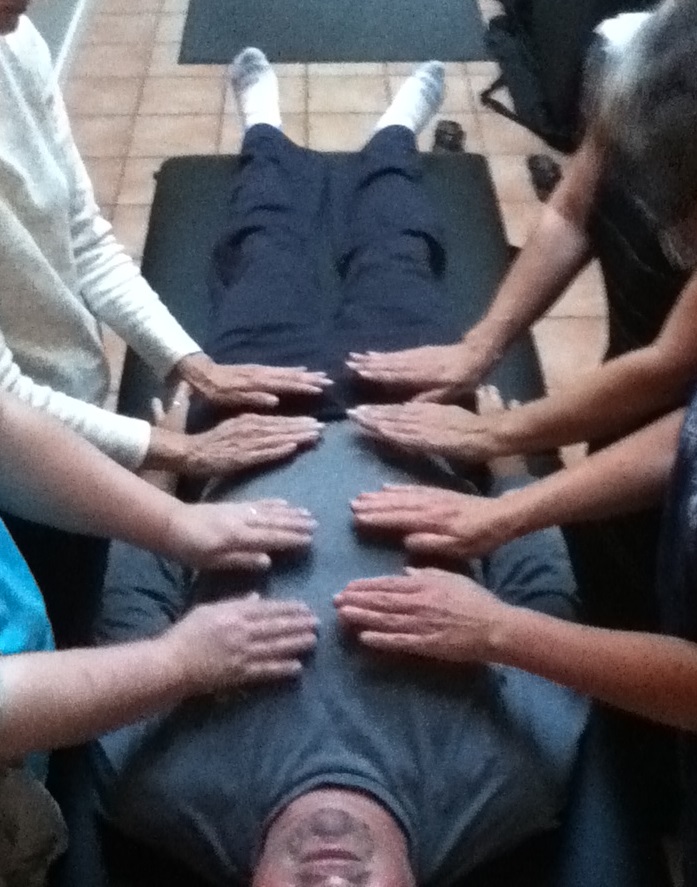
The principles of vibrational medicine are based on the idea that every living being has a unique energy signature, which can be influenced by various factors, including sound, light, and intention. Practitioners of vibrational medicine use a range of techniques, including sound healing, Reiki, and Qigong, to restore balance to the body's energy field.
📊 Key Facts & Numbers
Vibrational medicine has been practiced for centuries in various forms, including sound healing, Reiki, and Qigong. The Vibrational Medicine Association is working to establish standards and guidelines for the practice of vibrational medicine.
👥 Key People & Organizations
Key people in the field of vibrational medicine include researchers and practitioners who have contributed to its development. However, the field lacks notable figures with verifiable contributions.
🌍 Cultural Impact & Influence
Vibrational medicine has had a significant cultural impact, with many artists, musicians, and writers incorporating its principles into their work. The use of sound and vibration in healing has also been explored in various films, books, and documentaries, raising awareness about its potential benefits.
⚡ Current State & Latest Developments
The current state of vibrational medicine is characterized by a growing interest in its potential applications, with ongoing research and innovation in the field. New technologies, such as sound-emitting wearables and vibrational platforms, are being developed to enhance the therapeutic potential of vibrational medicine.
🤔 Controversies & Debates
Controversies surrounding vibrational medicine include the lack of scientific evidence supporting its clinical use, as well as concerns about its potential risks and side effects. Some critics argue that vibrational medicine is a form of pseudoscience, with no basis in empirical reality. However, proponents of vibrational medicine argue that its benefits are anecdotal and that it can be a valuable adjunct to conventional healthcare.
🔮 Future Outlook & Predictions
The future of vibrational medicine looks promising, with ongoing research and innovation in the field. As our understanding of the human energy field and its relationship to health and wellness evolves, vibrational medicine is likely to play an increasingly important role in the development of holistic healthcare.
💡 Practical Applications
Practical applications of vibrational medicine include its use in conjunction with conventional healthcare, or as a standalone therapy. The Sound Healing Institute offers training programs and certification in sound healing.
Key Facts
- Category
- vibrational-therapy
- Type
- concept