
Contents
- 🐟 Introduction to Salmon
- 🌎 Geographic Distribution and Habitat
- 🐴 Evolutionary History of Salmon
- 🍴 Culinary Significance of Salmon
- 🌟 Nutritional Benefits of Salmon
- 🎣 Commercial Fishing and Aquaculture
- 🚨 Conservation Status and Threats
- 🌈 Cultural Significance of Salmon
- 📊 Economic Importance of Salmon
- 👥 Indigenous Communities and Salmon
- 🔬 Scientific Research on Salmon
- Frequently Asked Questions
- Related Topics
Overview
Salmon, with its vibrant pink hue and distinctive flavor, has become an integral part of global cuisine, boasting a Vibe score of 82. However, beneath its popularity lies a complex web of environmental concerns, cultural heritage, and economic interests. The salmon industry, valued at over $20 billion annually, supports millions of jobs worldwide, yet faces criticism for its impact on wild salmon populations and the ecosystems they inhabit. As a symbol of resilience and adaptability, salmon have captivated human imagination, inspiring countless artistic, literary, and musical works. With influence flows tracing back to indigenous communities and forward to modern aquaculture, the topic of salmon embodies a controversy spectrum of 6.5, reflecting the tension between preservation and exploitation. As the world grapples with the challenges of sustainable food production, the future of salmon hangs in the balance, with some predicting a 30% decline in wild populations by 2030. The entity relationships between salmon, their habitats, and human societies will ultimately determine the fate of this beloved fish.
🐟 Introduction to Salmon
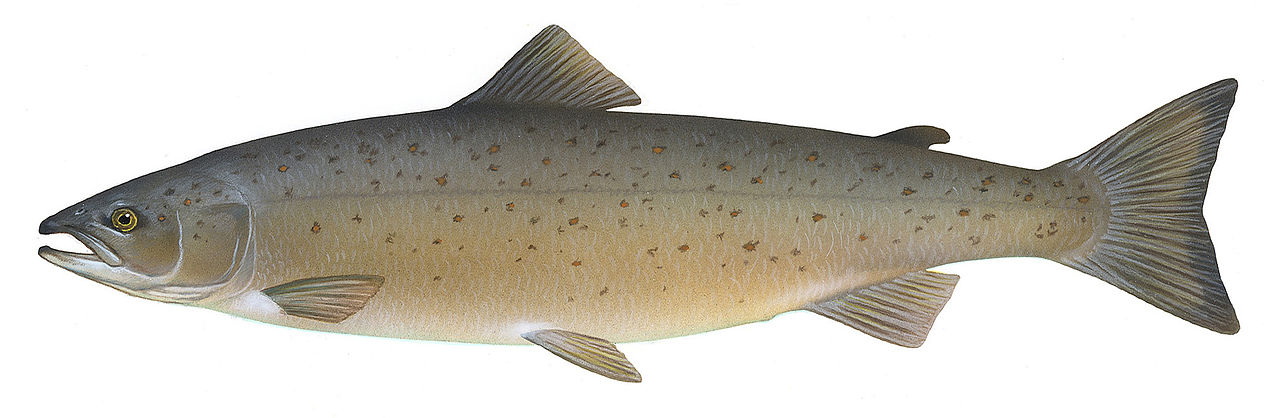
Salmon are a group of fish that defy convention, with their unique life cycle and adaptability to different environments. They are native to tributaries of the North Atlantic and North Pacific basins, and can be found in various species, including Salmonidae and Oncorhynchus. The term 'salmon' is a colloquial name used for fish in this group, but it is not a scientific name. Salmon are closely related to other fish in the same family, such as trout, char, and grayling. These fish are all coldwater fish of the subarctic and cooler temperate regions, with some sporadic endorheic populations in Central Asia, including the lenok and taimen.
🌎 Geographic Distribution and Habitat
The geographic distribution and habitat of salmon are quite diverse, ranging from the North Atlantic to the North Pacific basins. They can be found in tributaries, rivers, and lakes, and are known to migrate long distances to reach their spawning grounds. Salmon are anadromous fish, meaning they migrate from saltwater to freshwater to spawn, and their life cycle is closely tied to the water cycle and ocean currents. The salmon migration is a complex process that involves various physical and biological factors, including temperature, salinity, and turbidity.
🐴 Evolutionary History of Salmon
The evolutionary history of salmon is a fascinating topic, with fossil records dating back to the Miocene epoch. Salmon have evolved to adapt to different environments, and their unique life cycle has allowed them to thrive in a variety of ecosystems. The evolution of salmon is closely tied to the geological history of the regions they inhabit, including the formation of mountain ranges and river systems. Salmon have also been influenced by glaciation and climate change, which have shaped their migration patterns and population dynamics.
🍴 Culinary Significance of Salmon
Salmon have significant culinary importance, with various species being prized for their flavor and nutritional value. They are a popular ingredient in many cuisines, including Japanese cuisine, Chinese cuisine, and Mediterranean cuisine. Salmon can be prepared in a variety of ways, including grilling, baking, and smoking. The culinary significance of salmon is closely tied to their nutritional benefits, including their high levels of protein, omega-3 fatty acids, and vitamins.
🌟 Nutritional Benefits of Salmon
The nutritional benefits of salmon are well-documented, with high levels of protein, omega-3 fatty acids, and vitamins. Salmon are an excellent source of protein, with a single serving providing up to 35 grams of protein. They are also rich in omega-3 fatty acids, which have been shown to have numerous health benefits, including reducing inflammation and improving heart health. The nutritional benefits of salmon make them an excellent addition to a healthy diet, and they are often recommended by nutritionists and health experts.
🎣 Commercial Fishing and Aquaculture
Commercial fishing and aquaculture are significant industries, with salmon being one of the most widely farmed and wild-caught fish. The commercial fishing industry is a complex system that involves various stakeholders, including fishermen, processors, and distributors. Salmon aquaculture is also a growing industry, with many farms located in countries such as Norway, Chile, and Canada. The sustainability of salmon aquaculture is a topic of ongoing debate, with concerns about environmental impact, animal welfare, and food safety.
🚨 Conservation Status and Threats
The conservation status and threats to salmon are a major concern, with many species facing declining populations and habitat degradation. The conservation status of salmon is closely tied to the health of salmon populations, which are affected by various factors, including overfishing, habitat degradation, and climate change. The threats to salmon include pollution, dams, and invasive species, which can have devastating effects on salmon populations and ecosystems. The conservation efforts for salmon are ongoing, with various organizations and governments working to protect and restore salmon habitats and populations.
🌈 Cultural Significance of Salmon
The cultural significance of salmon is profound, with many indigenous communities relying on salmon for food, spiritual, and cultural practices. The cultural significance of salmon is closely tied to the indigenous communities that have traditionally relied on salmon for their livelihood. Salmon are an important part of the traditional ecology of these communities, and their cultural practices are closely tied to the salmon life cycle. The importance of salmon to indigenous communities cannot be overstated, and their conservation status is a major concern for these communities.
📊 Economic Importance of Salmon
The economic importance of salmon is significant, with the commercial fishing and aquaculture industries generating billions of dollars in revenue each year. The economic importance of salmon is closely tied to the commercial fishing industry and the aquaculture industry. Salmon are a major source of employment and income for many communities, and their economic benefits are felt throughout the food chain. The economic impact of salmon is also closely tied to the tourism industry, with many people traveling to see salmon migrations and participate in fishing tourism.
👥 Indigenous Communities and Salmon
The relationship between indigenous communities and salmon is complex and multifaceted, with salmon playing a central role in the cultural, spiritual, and economic practices of these communities. The indigenous communities and salmon have a long history of interaction, with salmon being an important part of the traditional diet and cultural practices of these communities. The importance of salmon to indigenous communities is closely tied to their cultural identity and traditional knowledge.
🔬 Scientific Research on Salmon
The scientific research on salmon is ongoing, with many studies focusing on the ecology, behavior, and conservation of salmon. The scientific research on salmon is closely tied to the conservation status of salmon, with many studies aiming to understand the threats to salmon and develop effective conservation strategies. The importance of scientific research on salmon cannot be overstated, and their findings have significant implications for the management of salmon populations and the conservation of salmon habitats.
Key Facts
- Year
- 2022
- Origin
- Pacific Northwest, North America
- Category
- Food, Environment, Culture
- Type
- Organism
Frequently Asked Questions
What is the difference between wild-caught and farmed salmon?
Wild-caught salmon are caught in their natural habitats, while farmed salmon are raised in aquaculture facilities. Wild-caught salmon tend to have a more robust flavor and texture, while farmed salmon are often more affordable and have a more consistent quality. However, farmed salmon may have higher levels of pollutants and antibiotics, and their environmental impact is a topic of ongoing debate.
What are the health benefits of eating salmon?
Salmon are an excellent source of protein, omega-3 fatty acids, and vitamins. They have been shown to have numerous health benefits, including reducing inflammation and improving heart health. Salmon are also low in saturated fat and high in antioxidants, making them a healthy addition to a balanced diet.
What is the conservation status of salmon?
The conservation status of salmon is a major concern, with many species facing declining populations and habitat degradation. The conservation status of salmon is closely tied to the health of salmon populations, which are affected by various factors, including overfishing, habitat degradation, and climate change.
What is the cultural significance of salmon to indigenous communities?
Salmon are an important part of the traditional ecology of many indigenous communities, and their cultural practices are closely tied to the salmon life cycle. The importance of salmon to indigenous communities cannot be overstated, and their conservation status is a major concern for these communities.
What is the economic importance of salmon?
The economic importance of salmon is significant, with the commercial fishing and aquaculture industries generating billions of dollars in revenue each year. The economic importance of salmon is closely tied to the commercial fishing industry and the aquaculture industry. Salmon are a major source of employment and income for many communities, and their economic benefits are felt throughout the food chain.