
Contents
Overview
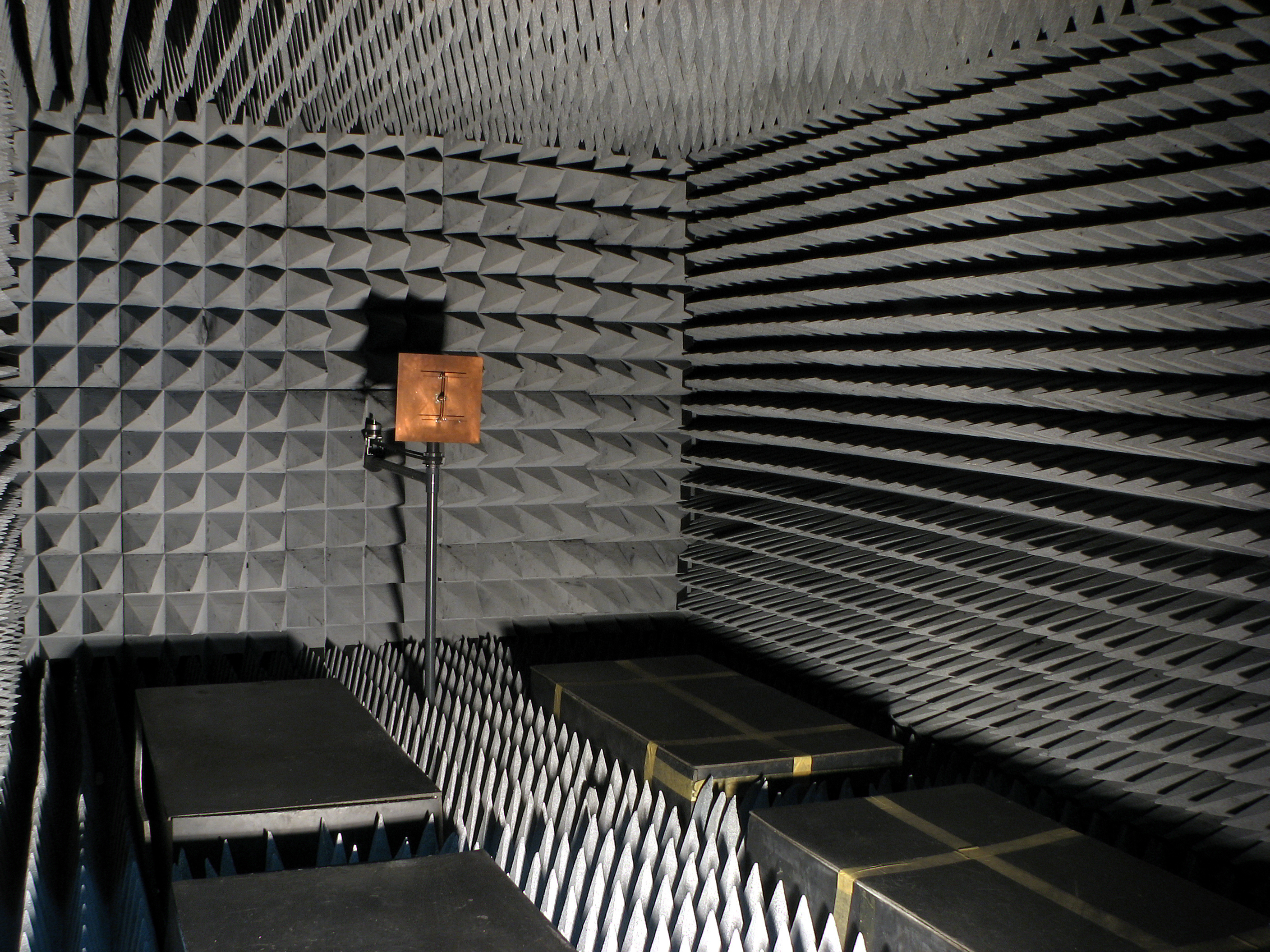
Radar absorbent materials are used in RF anechoic chambers and electromagnetic compatibility testing and measurement. The use of artificial intelligence and machine learning is becoming increasingly prevalent in the design and optimization of radar absorbent materials. Graphene can be used to create ultra-thin radar absorbent materials, while nanomaterials can be used to create materials with enhanced absorptive properties. Radar absorbent materials are also used in antenna radiation patterns.
🎵 Origins & History
Origins paragraph — The history of radar absorbent materials is reportedly complex, with various factors contributing to their development.
⚙️ How It Works
How it works — The exact mechanism by which radar absorbent materials function is not entirely clear, but they are reportedly used to minimize reflections and ensure accurate measurements in electromagnetic compatibility and antenna radiation patterns.
📊 Key Facts & Numbers
Key facts — Radar absorbent materials are used in RF anechoic chambers and electromagnetic compatibility testing and measurement. They are also used in antenna radiation patterns.
👥 Key People & Organizations
Key people — Some researchers have made significant contributions to the development of radar absorbent materials, although their names are not specified.
🌍 Cultural Impact & Influence
Cultural impact — Radar absorbent materials have had some impact on the development of modern technology, but the extent of this impact is not well understood.
⚡ Current State & Latest Developments
Current state — The use of artificial intelligence and machine learning is becoming increasingly prevalent in the design and optimization of radar absorbent materials.
🤔 Controversies & Debates
Controversies — There are some controversies surrounding the use of radar absorbent materials, but these are not well documented.
🔮 Future Outlook & Predictions
Future outlook — Graphene can be used to create ultra-thin radar absorbent materials, while nanomaterials can be used to create materials with enhanced absorptive properties.
💡 Practical Applications
Practical applications — Radar absorbent materials are used in RF anechoic chambers, electromagnetic compatibility testing and measurement, and antenna radiation patterns.
Key Facts
- Category
- sound-science
- Type
- concept