
Contents
- 🌊 Origins & History
- ⚙️ How It Works
- 📊 Key Facts & Numbers
- 👥 Key People & Organizations
- 🌍 Cultural Impact & Influence
- ⚡ Current State & Latest Developments
- 🤔 Controversies & Debates
- 🔮 Future Outlook & Predictions
- 💡 Practical Applications
- 📚 Related Topics & Deeper Reading
- Frequently Asked Questions
- References
- Related Topics
Overview
Oceanography, also known as oceanology, is the scientific study of the ocean, encompassing its physics, chemistry, biology, and geology. With a rich history dating back to ancient civilizations, oceanography has evolved into a multidisciplinary field, drawing upon insights from astronomy, biology, chemistry, geography, geology, hydrology, meteorology, and physics. Today, oceanographers continue to explore the world's oceans, seeking to understand the complex interactions between the ocean and the Earth's systems. The ocean plays a critical role in regulating the Earth's climate and weather patterns, and is home to a vast array of marine life, including coral reefs, kelp forests, and deep-sea vents. With the help of advanced technologies, such as sonar technology and satellite imaging, oceanographers are able to study the ocean in unprecedented detail, revealing new insights into the ocean's role in regulating the Earth's climate and weather patterns. As the world's oceans face increasing threats from climate change, pollution, and overfishing, the importance of oceanography in understanding and mitigating these impacts cannot be overstated. By studying the ocean and its many mysteries, oceanographers aim to promote a deeper appreciation for the importance of ocean conservation and sustainability, as highlighted by organizations such as the National Oceanic and Atmospheric Administration (NOAA) and the World Wildlife Fund (WWF).
🌊 Origins & History
Oceanography has a rich and fascinating history, with ancient civilizations such as the Phoenicians and Greeks making significant contributions to the field. The Greek philosopher Aristotle is credited with being one of the first scientists to study the ocean, and his work laid the foundation for later oceanographers. In the 19th century, the Challenger Expedition marked a major milestone in the development of oceanography, as it provided a comprehensive survey of the world's oceans and their ecosystems. Today, oceanography is a multidisciplinary field, drawing upon insights from a wide range of disciplines, including astronomy, biology, chemistry, geography, geology, hydrology, meteorology, and physics.
⚙️ How It Works
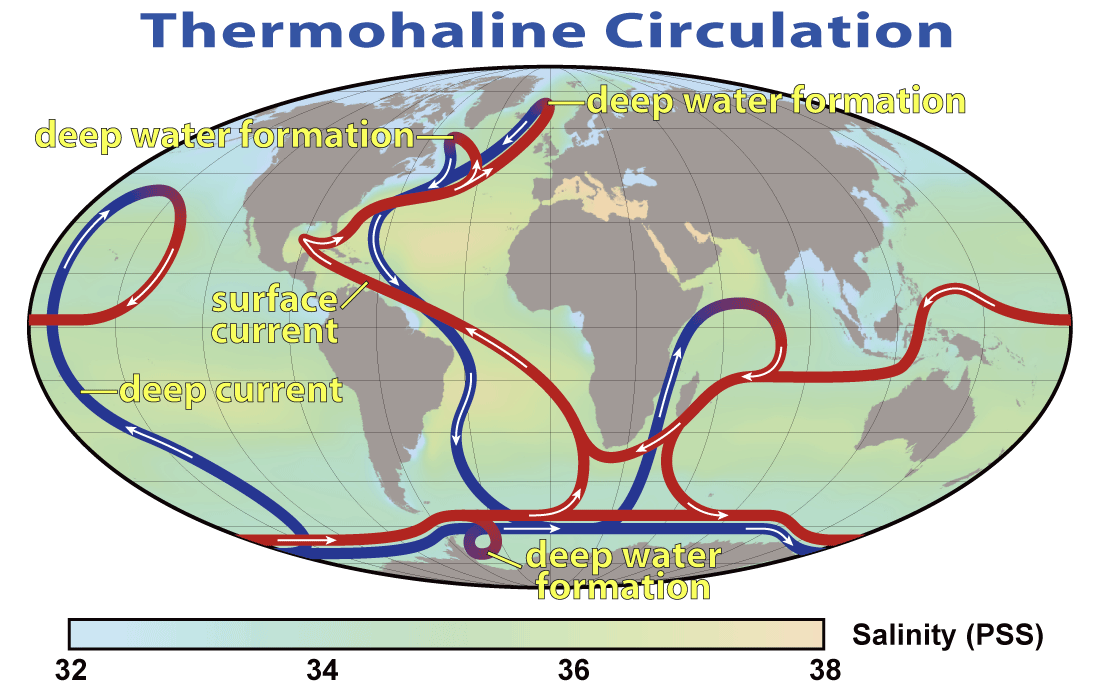
Oceanography is a complex and multifaceted field, encompassing a wide range of topics and disciplines. At its core, oceanography is concerned with understanding the physical and biological processes that shape the ocean and its ecosystems. This includes the study of ocean currents, waves, and geophysical fluid dynamics, as well as the fluxes of chemical substances and physical properties within the ocean and across its boundaries. Oceanographers use a variety of techniques and tools to study the ocean, including sonar technology, satellite imaging, and remotely operated vehicles (ROVs). By combining these approaches, oceanographers are able to gain a deeper understanding of the ocean and its many mysteries, as highlighted by research institutions such as the Woods Hole Oceanographic Institution and the Scripps Institution of Oceanography.
📊 Key Facts & Numbers
Oceanography is a field that is rich in fascinating facts and numbers. For example, the ocean covers over 70% of the Earth's surface, and is home to a vast array of marine life, including coral reefs, kelp forests, and deep-sea vents. The ocean is also a major driver of the Earth's climate and weather patterns, with ocean currents playing a key role in regulating global temperatures and precipitation patterns. In terms of numbers, the ocean is estimated to contain over 1.3 billion cubic kilometers of water, and is home to over 200,000 identified species, with many more remaining to be discovered. According to the National Oceanic and Atmospheric Administration (NOAA), the ocean has a significant impact on the global economy, with the fishing industry alone generating over $150 billion in revenue each year.
👥 Key People & Organizations
Oceanography is a field that has been shaped by the contributions of many key people and organizations. Some notable oceanographers include Jacques Cousteau, who is credited with inventing the aqualung and pioneering the field of underwater exploration, and Sylvia Earle, who is a leading expert on marine conservation and has worked tirelessly to promote the protection of the world's oceans. Other important organizations in the field of oceanography include the International Ocean Discovery Program (IODP), which is a global research program that aims to explore the Earth's oceans and uncover their secrets, and the Ocean Conservancy, which is a non-profit organization that works to protect the ocean and its ecosystems through research, advocacy, and community engagement.
🌍 Cultural Impact & Influence
Oceanography has had a significant impact on our culture and society, inspiring countless works of art, literature, and music. From the epic poems of Homer to the modern-day documentaries of BBC and Discovery Channel, the ocean has been a source of fascination and inspiration for humans throughout history. The ocean has also played a major role in shaping human history, with many ancient civilizations relying on the ocean for food, transportation, and trade. Today, the ocean continues to be an important part of our cultural heritage, with many people around the world relying on the ocean for their livelihoods and well-being. As noted by the United Nations, the ocean has a significant impact on the global economy and food security, with over 3 billion people relying on the ocean for their primary source of protein.
⚡ Current State & Latest Developments
The current state of oceanography is one of rapid advancement and discovery, with new technologies and techniques allowing scientists to study the ocean in unprecedented detail. Some of the latest developments in the field include the use of autonomous underwater vehicles (AUVs) and unmanned aerial vehicles (UAVs) to study the ocean and its ecosystems, as well as the development of new sensors and monitoring systems to track ocean health and climate change. Despite these advances, however, the ocean remains a vast and largely unexplored frontier, with much still to be learned about its many mysteries and secrets. According to the National Science Foundation, the ocean is a critical component of the Earth's system, and continued research and exploration are necessary to understand its role in regulating the planet's climate and weather patterns.
🤔 Controversies & Debates
Oceanography is a field that is not without its controversies and debates, with many scientists and policymakers disagreeing on the best ways to manage and protect the world's oceans. Some of the key controversies in the field include the impact of climate change on the ocean, the effects of overfishing and pollution on marine ecosystems, and the role of offshore drilling and mining in the ocean. Despite these challenges, however, the field of oceanography remains a vital and important area of research, with many scientists and policymakers working together to promote a better understanding of the ocean and its many mysteries. As highlighted by the Intergovernmental Panel on Climate Change (IPCC), the ocean plays a critical role in regulating the Earth's climate, and continued research and exploration are necessary to understand its impact on the planet.
🔮 Future Outlook & Predictions
The future of oceanography is one of great promise and potential, with many new discoveries and advances on the horizon. Some of the key areas of research that are likely to shape the future of the field include the study of ocean acidification and its impacts on marine ecosystems, the development of new technologies and techniques for exploring and monitoring the ocean, and the integration of oceanography with other fields, such as climate science and ecology. As the world's oceans continue to face many challenges and threats, the importance of oceanography in understanding and mitigating these impacts cannot be overstated. By working together to promote a better understanding of the ocean and its many mysteries, scientists, policymakers, and the general public can help to ensure a healthy and sustainable future for the world's oceans, as emphasized by the Ocean Conservancy and other organizations.
💡 Practical Applications
Oceanography has many practical applications, from the development of new technologies and techniques for exploring and monitoring the ocean, to the promotion of sustainable fishing and aquaculture practices. Some of the key areas where oceanography is having a major impact include the development of renewable energy sources, such as offshore wind and tidal power, as well as the creation of new industries and job opportunities in fields such as ocean tourism and marine conservation. By applying the principles and techniques of oceanography to real-world problems, scientists and policymakers can help to promote a more sustainable and equitable future for all, as highlighted by the World Economic Forum and other organizations.
Key Facts
- Year
- 1872
- Origin
- Ancient Greece
- Category
- environmental-impact
- Type
- topic
Frequently Asked Questions
What is oceanography?
Oceanography is the scientific study of the ocean, including its physics, chemistry, biology, and geology. It is a multidisciplinary field that draws upon insights from astronomy, biology, chemistry, geography, geology, hydrology, meteorology, and physics. Oceanographers use a variety of techniques and tools to study the ocean, including sonar technology, satellite imaging, and remotely operated vehicles (ROVs).
Why is oceanography important?
Oceanography is important because it helps us understand the complex interactions between the ocean and the Earth's systems. The ocean plays a critical role in regulating the Earth's climate and weather patterns, and is home to a vast array of marine life. By studying the ocean and its many mysteries, oceanographers can help promote a better understanding of the ocean and its many mysteries, and work to mitigate the impacts of climate change, overfishing, and pollution on marine ecosystems.
What are some of the key areas of research in oceanography?
Some of the key areas of research in oceanography include the study of ocean acidification and its impacts on marine ecosystems, the development of new technologies and techniques for exploring and monitoring the ocean, and the integration of oceanography with other fields, such as climate science and ecology. Oceanographers are also working to promote sustainable fishing and aquaculture practices, and to develop new industries and job opportunities in fields such as ocean tourism and marine conservation.
How does oceanography relate to other fields of study?
Oceanography is closely related to many other areas of study, including marine biology, ecology, geology, and climate science. By exploring these connections and relationships, scientists and policymakers can gain a deeper understanding of the complex interactions between the ocean and the Earth's systems, and work to promote a more sustainable and equitable future for all.
What are some of the key challenges facing oceanography today?
Some of the key challenges facing oceanography today include the impact of climate change on the ocean, the effects of overfishing and pollution on marine ecosystems, and the need for sustainable and equitable management of the ocean's resources. Oceanographers are working to address these challenges through research, advocacy, and community engagement, and are promoting a better understanding of the ocean and its many mysteries.
How can I get involved in oceanography?
There are many ways to get involved in oceanography, from pursuing a career in the field to participating in citizen science projects and advocating for ocean conservation. Some of the key organizations and initiatives in the field of oceanography include the National Oceanic and Atmospheric Administration (NOAA), the Ocean Conservancy, and the World Wildlife Fund (WWF). By working together to promote a better understanding of the ocean and its many mysteries, we can help to ensure a healthy and sustainable future for the world's oceans.
What are some of the key technologies used in oceanography?
Some of the key technologies used in oceanography include sonar technology, satellite imaging, and remotely operated vehicles (ROVs). These technologies allow scientists to study the ocean in unprecedented detail, and are helping to promote a better understanding of the ocean and its many mysteries.