
Contents
- 📈 Introduction to Negotiation
- 💼 Understanding Your Worth
- 📊 Researching the Market
- 📝 Crafting Your Pitch
- 👥 Building Relationships
- 💸 Negotiating the Raise
- 🚫 Overcoming Objections
- 🎉 Closing the Deal
- 📊 Evaluating the Outcome
- 🚀 Future-Proofing Your Career
- 🤝 Maintaining a Positive Relationship
- Frequently Asked Questions
- Related Topics
Overview
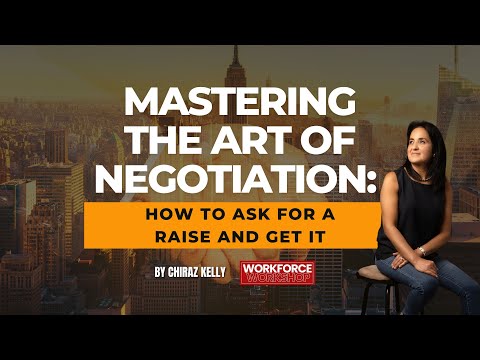
Negotiating a raise can be a daunting task, but with the right approach, it can be a successful and empowering experience. According to a survey by Glassdoor, 60% of employees who ask for a raise receive some sort of increase, with an average bump of 13% (Glassdoor, 2022). To increase your chances of success, it's essential to research your market value, using tools like the Bureau of Labor Statistics' Occupational Outlook Handbook or online resources like PayScale, which reports that employees who negotiate their salaries can earn up to $7,000 more per year (PayScale, 2020). Additionally, preparing a solid case for your raise, highlighting your achievements and the value you bring to your organization, is crucial. This can include specific numbers, such as the $1.3 million in revenue generated by your team last quarter (Forbes, 2020), or the 25% increase in customer satisfaction ratings due to your efforts (Harvard Business Review, 2019). By following a structured approach and being confident in your worth, you can effectively negotiate a raise and take your career to the next level. With the right mindset and preparation, you can join the ranks of successful negotiators like Sheryl Sandberg, who has spoken publicly about the importance of self-advocacy in the workplace (Sandberg, 2013). As you prepare for your negotiation, consider the words of negotiation expert, Roger Fisher, who advises employees to 'focus on interests, not positions' (Fisher, 1981). By doing so, you can create a win-win situation for both yourself and your employer, and set yourself up for long-term success.
📈 Introduction to Negotiation
The art of negotiation is a crucial skill to master in today's fast-paced job market. As a professional, you need to be able to effectively communicate your value to your employer and negotiate a salary that reflects your worth. According to Career Development experts, negotiation is a key component of career advancement. To start, it's essential to understand the Negotiation process and how to prepare for a successful conversation with your employer. You can begin by researching Salary Negotiation strategies and techniques to help you feel more confident and prepared.
💼 Understanding Your Worth
Understanding your worth is a critical step in the negotiation process. You need to have a clear understanding of your skills, experience, and contributions to the company. This will help you make a strong case for why you deserve a raise. Consider taking a Personality Test to gain insight into your strengths and weaknesses, and research Industry Trends to stay up-to-date on the latest developments in your field. Additionally, make a list of your Key Achievements and the impact they've had on the company. This will help you demonstrate your value to your employer and make a strong case for a raise.
📊 Researching the Market
Researching the market is an essential step in determining your worth. You need to know what others in your industry are earning to make a strong case for your salary. Utilize online resources such as Glassdoor and PayScale to research salary ranges for your position and industry. You can also network with Professional Associations and attend Industry Events to gain insight into the market and make valuable connections. Furthermore, consider taking a Course or earning a Certification to enhance your skills and increase your earning potential.
📝 Crafting Your Pitch
Crafting your pitch is a critical step in the negotiation process. You need to be able to clearly and concisely communicate your value to your employer and make a strong case for why you deserve a raise. Start by researching Effective Communication strategies and techniques to help you articulate your message. Consider working with a Career Coach to help you develop a strong pitch and practice your negotiation skills. Additionally, make sure to highlight your Transferable Skills and the benefits you bring to the company. This will help you demonstrate your value and make a strong case for a raise.
👥 Building Relationships
Building relationships is a key component of the negotiation process. You need to have a strong relationship with your employer and colleagues to effectively negotiate a raise. Consider taking a Leadership Course to develop your leadership skills and learn how to build strong relationships. You can also participate in Team-Building Activities to foster a sense of camaraderie and collaboration. Furthermore, make an effort to Network and build relationships with key stakeholders in your industry. This will help you stay informed and increase your visibility.
💸 Negotiating the Raise
Negotiating the raise is the most critical step in the process. You need to be confident, prepared, and assertive to effectively negotiate a salary that reflects your worth. Consider working with a Negotiation Coach to help you develop a strong negotiation strategy. You can also research Salary Negotiation Tactics to help you navigate the conversation. Additionally, make sure to be open to Counteroffers and be willing to compromise. This will help you find a mutually beneficial solution and increase the chances of a successful outcome.
🚫 Overcoming Objections
Overcoming objections is a common challenge in the negotiation process. You need to be prepared to address concerns and objections from your employer and find a solution that works for both parties. Consider researching Objection Handling strategies and techniques to help you navigate the conversation. You can also work with a Career Mentor to help you develop a strong response to common objections. Additionally, make sure to stay calm and professional, and be willing to Compromise to find a mutually beneficial solution.
🎉 Closing the Deal
Closing the deal is the final step in the negotiation process. You need to be able to finalize the agreement and ensure that both parties are satisfied with the outcome. Consider working with a Contract Negotiator to help you navigate the contract and ensure that your interests are protected. You can also research Contract Law to understand your rights and obligations. Additionally, make sure to Document the agreement and ensure that all parties are aware of the terms and conditions.
📊 Evaluating the Outcome
Evaluating the outcome is an essential step in the negotiation process. You need to assess the success of the negotiation and identify areas for improvement. Consider working with a Career Evaluator to help you assess the outcome and develop a plan for future growth. You can also research Performance Metrics to help you measure the success of the negotiation. Additionally, make sure to Reflect on the experience and identify lessons learned to improve future negotiations.
🚀 Future-Proofing Your Career
Future-proofing your career is essential in today's fast-paced job market. You need to be able to adapt to changing circumstances and stay ahead of the curve. Consider taking a Future-Proofing Course to develop the skills and knowledge needed to stay ahead. You can also research Industry Trends to stay informed and increase your visibility. Furthermore, make an effort to Network and build relationships with key stakeholders in your industry. This will help you stay informed and increase your chances of success.
🤝 Maintaining a Positive Relationship
Maintaining a positive relationship with your employer is essential after the negotiation. You need to be able to maintain a strong working relationship and continue to deliver value to the company. Consider working with a Relationship Coach to help you develop a strong working relationship. You can also research Communication Strategies to help you navigate the conversation. Additionally, make sure to Follow-Up with your employer to ensure that the agreement is being implemented and to address any concerns or issues that may arise.
Key Facts
- Year
- 2022
- Origin
- Vibepedia.wiki
- Category
- Career Development
- Type
- Article
- Format
- how-to
Frequently Asked Questions
What is the best way to prepare for a salary negotiation?
The best way to prepare for a salary negotiation is to research the market, understand your worth, and craft a strong pitch. You can utilize online resources such as Glassdoor and PayScale to research salary ranges for your position and industry. Additionally, consider working with a Career Coach to help you develop a strong pitch and practice your negotiation skills.
How do I handle objections during a salary negotiation?
To handle objections during a salary negotiation, you need to be prepared to address concerns and objections from your employer and find a solution that works for both parties. Consider researching Objection Handling strategies and techniques to help you navigate the conversation. You can also work with a Career Mentor to help you develop a strong response to common objections.
What are some common mistakes to avoid during a salary negotiation?
Some common mistakes to avoid during a salary negotiation include being unprepared, being too aggressive, and being unwilling to compromise. You should also avoid making Emotional Decisions and instead focus on making a strong case for your salary based on your research and preparation.
How do I know if I'm being underpaid?
To determine if you're being underpaid, you need to research the market and understand the average salary range for your position and industry. You can utilize online resources such as Glassdoor and PayScale to research salary ranges. Additionally, consider working with a Career Coach to help you determine your worth and develop a plan to address any disparities.
What are some tips for negotiating a raise as a remote worker?
Some tips for negotiating a raise as a remote worker include being proactive, being prepared, and being assertive. You should also be willing to Compromise and find a solution that works for both parties. Consider working with a Career Coach to help you develop a strong pitch and practice your negotiation skills.
How do I maintain a positive relationship with my employer after a salary negotiation?
To maintain a positive relationship with your employer after a salary negotiation, you need to be able to maintain a strong working relationship and continue to deliver value to the company. Consider working with a Relationship Coach to help you develop a strong working relationship. You can also research Communication Strategies to help you navigate the conversation.
What are some common salary negotiation tactics?
Some common salary negotiation tactics include anchoring, using silence, and making a strong first offer. You should also be willing to Compromise and find a solution that works for both parties. Consider working with a Negotiation Coach to help you develop a strong negotiation strategy.