
Contents
Overview
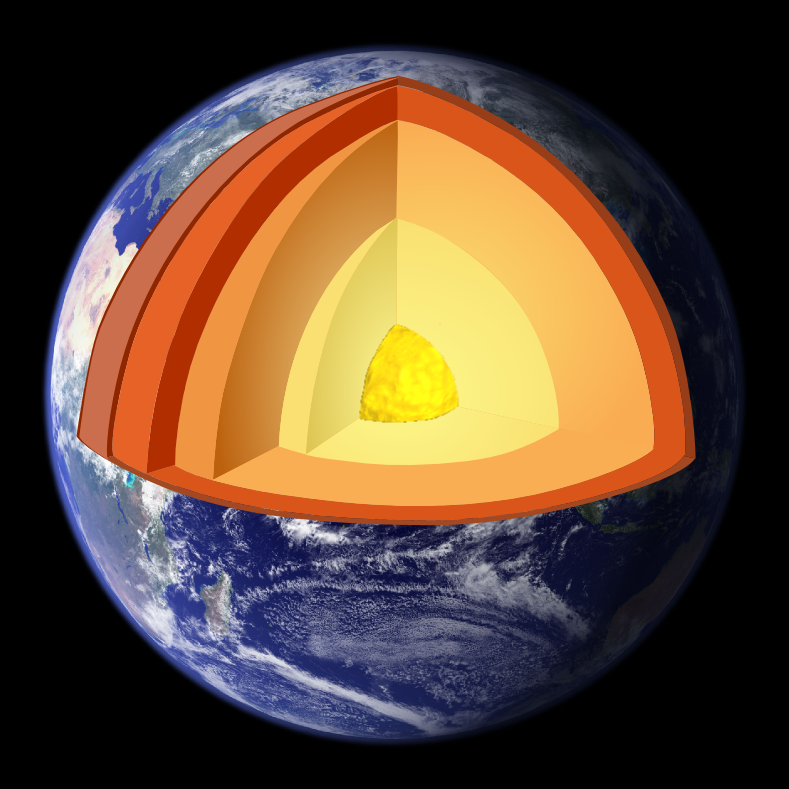
Geophysics is a multidisciplinary field that combines physics, mathematics, and Earth sciences to study the Earth's internal and external processes. It encompasses the analysis of the Earth's shape, gravitational, magnetic, and electromagnetic fields, as well as its internal structure, composition, and dynamics. Geophysics also explores the Earth's surrounding space environment, including the oceans, atmosphere, cryosphere, ionosphere, and magnetosphere. Geophysics has a rich history dating back to antiquity. The development of seismometers and magnetic compasses allowed scientists to study the Earth's internal structure and magnetic field. Today, geophysics plays a vital role in understanding natural hazards, climate change, and the Earth's resources, making it an essential field for scientists, policymakers, and the general public. Geophysics encompasses various branches, including seismology, gravity, magnetic, and electromagnetic geophysics. Geophysics has numerous practical applications, including natural hazard monitoring, climate change research, and resource exploration.
🌎 Introduction to Geophysics
Geophysics is a multidisciplinary field that combines physics, mathematics, and Earth sciences to study the Earth's internal and external processes. The development of seismometers and magnetic compasses allowed scientists to study the Earth's internal structure and magnetic field. Geophysics has a rich history dating back to antiquity.
🔍 History of Geophysics
Geophysics encompasses various branches, including seismology, gravity, magnetic, and electromagnetic geophysics. Each branch focuses on a specific aspect of the Earth's processes, such as the study of earthquakes and seismic waves or the analysis of the Earth's magnetic field.
🌐 Branches of Geophysics
Geophysics has numerous practical applications, including natural hazard monitoring, climate change research, and resource exploration. By analyzing seismic data, scientists can predict earthquake risks and volcanic eruptions, while geophysical techniques can help identify potential mineral and energy resources.
📊 Applications of Geophysics
Geophysics plays a vital role in understanding natural hazards, climate change, and the Earth's resources, making it an essential field for scientists, policymakers, and the general public.
🌟 Key Figures in Geophysics
Today, geophysics is a vibrant field, with ongoing research in areas such as seismic imaging, satellite remote sensing, and climate modeling.
🌎 Current State of Geophysics
Despite its many successes, geophysics is not without controversy. Debates surround the interpretation of seismic data, the role of geophysics in climate change research, and the ethics of resource exploration.
🤔 Controversies and Debates
As geophysics continues to evolve, it is likely to play an increasingly important role in addressing global challenges such as climate change, natural hazards, and resource management.
🔮 Future Outlook
Geophysics has numerous practical applications, from monitoring natural hazards to exploring for resources. By applying geophysical techniques, scientists can better understand the Earth's processes and make more informed decisions about the planet's management.
💡 Practical Applications
Related topics in geophysics include seismology, gravity, magnetic, and electromagnetic geophysics, as well as Earth sciences, planetary science, and environmental science.
Key Facts
- Category
- sound-science
- Type
- concept