
Contents
- 🌐 Introduction to Browser Wars
- 📊 History of Web Browsers
- 🔍 The Rise of Netscape Navigator
- 🚀 The Microsoft Response: Internet Explorer
- 🌟 The Mozilla Firefox Era
- 📈 Google Chrome's Impact
- 👊 Browser Wars: The Current State
- 🔮 The Future of Web Navigation
- 📊 Browser Market Share
- 👀 The Impact of Browser Wars on Web Development
- 🤝 The Role of Standards in Browser Wars
- 🚫 Conclusion: The Evolution of Web Navigation
- Frequently Asked Questions
- Related Topics
Overview
The term 'browser' refers to a software application used to access and view websites on the internet. The concept of browsing has been around since the early days of the web, with the first web browser, WorldWideWeb, developed by Tim Berners-Lee in 1990. However, it wasn't until the mid-1990s that the browser wars began, with the release of Netscape Navigator and Internet Explorer. The browser wars have had a significant impact on the development of the web, with different browsers supporting various features and technologies, such as JavaScript and HTML5. Today, the browser wars continue, with new players like Google Chrome and Microsoft Edge entering the market. The browser wars have also led to the development of new technologies, such as WebGL and WebAssembly.
📊 History of Web Browsers
The history of web browsers dates back to the early 1990s, when the first web browser, WorldWideWeb, was developed. However, it was the release of Mosaic in 1993 that popularized the web and led to the development of new browsers. The first commercial browser, Netscape Navigator, was released in 1994 and quickly gained popularity. The browser wars began in earnest with the release of Internet Explorer in 1995, which was bundled with the Windows operating system. The competition between Netscape and Microsoft led to rapid innovation, with new features and technologies being developed, such as CSS and DOM. The browser wars have also led to the development of new business models, such as Freemium and SaaS.
🚀 The Microsoft Response: Internet Explorer
The release of Internet Explorer in 1995 marked a significant escalation of the browser wars. Microsoft's decision to bundle Internet Explorer with the Windows operating system gave the browser a significant advantage over its competitors. The competition between Internet Explorer and Netscape Navigator led to a series of innovations, including the development of CSS and DOM. However, the dominance of Internet Explorer also led to concerns about Monopoly and the stifling of innovation. The browser wars also led to the development of new business models, such as Advertising and E-commerce. Today, the legacy of Internet Explorer can be seen in the modern web, with many of its innovations still in use, such as Silverlight and ActiveX.
🌟 The Mozilla Firefox Era
The release of Mozilla Firefox in 2004 marked a significant turning point in the browser wars. Firefox's innovative approach to web browsing, including the introduction of Tabbed Browsing and Extensions, helped to establish the browser as a major player in the market. The competition between Firefox and Internet Explorer led to a series of innovations, including the development of HTML5 and CSS3. The browser wars also led to the development of new technologies, such as WebGL and WebAssembly. Today, Firefox remains a popular choice among web developers and users, with its focus on Security and Privacy. The browser wars have also led to the development of new business models, such as Open-source and Crowdsourcing.
📈 Google Chrome's Impact
The release of Google Chrome in 2008 marked a significant escalation of the browser wars. Chrome's innovative approach to web browsing, including the introduction of Incognito Mode and Omnibox, helped to establish the browser as a major player in the market. The competition between Chrome and Mozilla Firefox led to a series of innovations, including the development of Web Sockets and WebRTC. The browser wars also led to the development of new technologies, such as Service Workers and Progressive Web Apps. Today, Chrome remains the most popular browser in the world, with its focus on Speed and Security. The browser wars have also led to the development of new business models, such as Freemium and SaaS.
👊 Browser Wars: The Current State
The current state of the browser wars is characterized by a high degree of competition and innovation. The major players in the market, including Google Chrome, Mozilla Firefox, and Microsoft Edge, are constantly updating and improving their browsers, with new features and technologies being developed all the time. The browser wars have also led to the development of new business models, such as Advertising and E-commerce. The competition between browsers has also led to concerns about Monopoly and the stifling of innovation. However, the browser wars have also driven the development of new technologies, such as WebGL and WebAssembly. Today, the browser wars continue, with new players like Brave and Vivaldi entering the market.
👀 The Impact of Browser Wars on Web Development
The impact of the browser wars on web development has been significant. The competition between browsers has driven the development of new technologies, such as HTML5 and CSS3. The browser wars have also led to the development of new business models, such as Freemium and SaaS. The browser wars have also led to concerns about Monopoly and the stifling of innovation. However, the browser wars have also driven the development of new technologies, such as WebGL and WebAssembly. Today, the browser wars continue to shape the web development landscape, with many developers and users choosing browsers based on their features and technologies, such as JavaScript and HTML5.
🤝 The Role of Standards in Browser Wars
The role of standards in the browser wars has been crucial. The development of standards, such as HTML5 and CSS3, has helped to ensure that web pages are displayed consistently across different browsers. The browser wars have also led to the development of new standards, such as WebGL and WebAssembly. The standards have also helped to drive the development of new technologies, such as Service Workers and Progressive Web Apps. Today, the standards continue to play a vital role in shaping the web, with many developers and users relying on them to ensure that web pages are displayed correctly, such as JavaScript and HTML5.
Key Facts
- Year
- 1990
- Origin
- National Center for Supercomputing Applications (NCSA)
- Category
- Technology
- Type
- Software
Frequently Asked Questions
What is the history of web browsers?
The history of web browsers dates back to the early 1990s, when the first web browser, WorldWideWeb, was developed. The first commercial browser, Netscape Navigator, was released in 1994 and quickly gained popularity. The browser wars began in earnest with the release of Internet Explorer in 1995, which was bundled with the Windows operating system. The competition between Netscape and Microsoft led to rapid innovation, with new features and technologies being developed, such as CSS and DOM.
What is the current state of the browser wars?
The current state of the browser wars is characterized by a high degree of competition and innovation. The major players in the market, including Google Chrome, Mozilla Firefox, and Microsoft Edge, are constantly updating and improving their browsers, with new features and technologies being developed all the time. The browser wars have also led to the development of new business models, such as Advertising and E-commerce.
What is the future of web navigation?
The future of web navigation is likely to be shaped by a number of factors, including the development of new technologies, such as Artificial Intelligence and Virtual Reality. The browser wars will also continue to play a significant role in shaping the future of the web, with new features and technologies being developed all the time. The competition between browsers will also drive the development of new business models, such as Subscription and Licensing.
What is the impact of the browser wars on web development?
The impact of the browser wars on web development has been significant. The competition between browsers has driven the development of new technologies, such as HTML5 and CSS3. The browser wars have also led to the development of new business models, such as Freemium and SaaS. The browser wars have also led to concerns about Monopoly and the stifling of innovation.
What is the role of standards in the browser wars?
The role of standards in the browser wars has been crucial. The development of standards, such as HTML5 and CSS3, has helped to ensure that web pages are displayed consistently across different browsers. The browser wars have also led to the development of new standards, such as WebGL and WebAssembly. The standards have also helped to drive the development of new technologies, such as Service Workers and Progressive Web Apps.
What is the current browser market share?
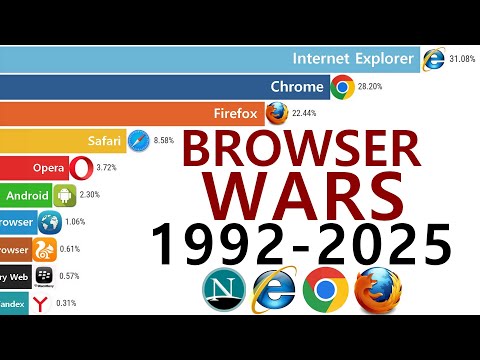
The current browser market share is a key indicator of the browser wars. According to recent statistics, Google Chrome has the largest market share, followed by Mozilla Firefox and Microsoft Edge. The browser market share is constantly changing, with new browsers and technologies being developed all the time.
What is the impact of the browser wars on the web?
The impact of the browser wars on the web has been significant. The competition between browsers has driven the development of new technologies, such as HTML5 and CSS3. The browser wars have also led to the development of new business models, such as Freemium and SaaS. The browser wars have also led to concerns about Monopoly and the stifling of innovation.